
Nice picture, huh? That’s nothing. Look at THIS if you can without weeping a little at the brilliance. Typecasting at a new level.
Stunning.

Nice picture, huh? That’s nothing. Look at THIS if you can without weeping a little at the brilliance. Typecasting at a new level.
Stunning.
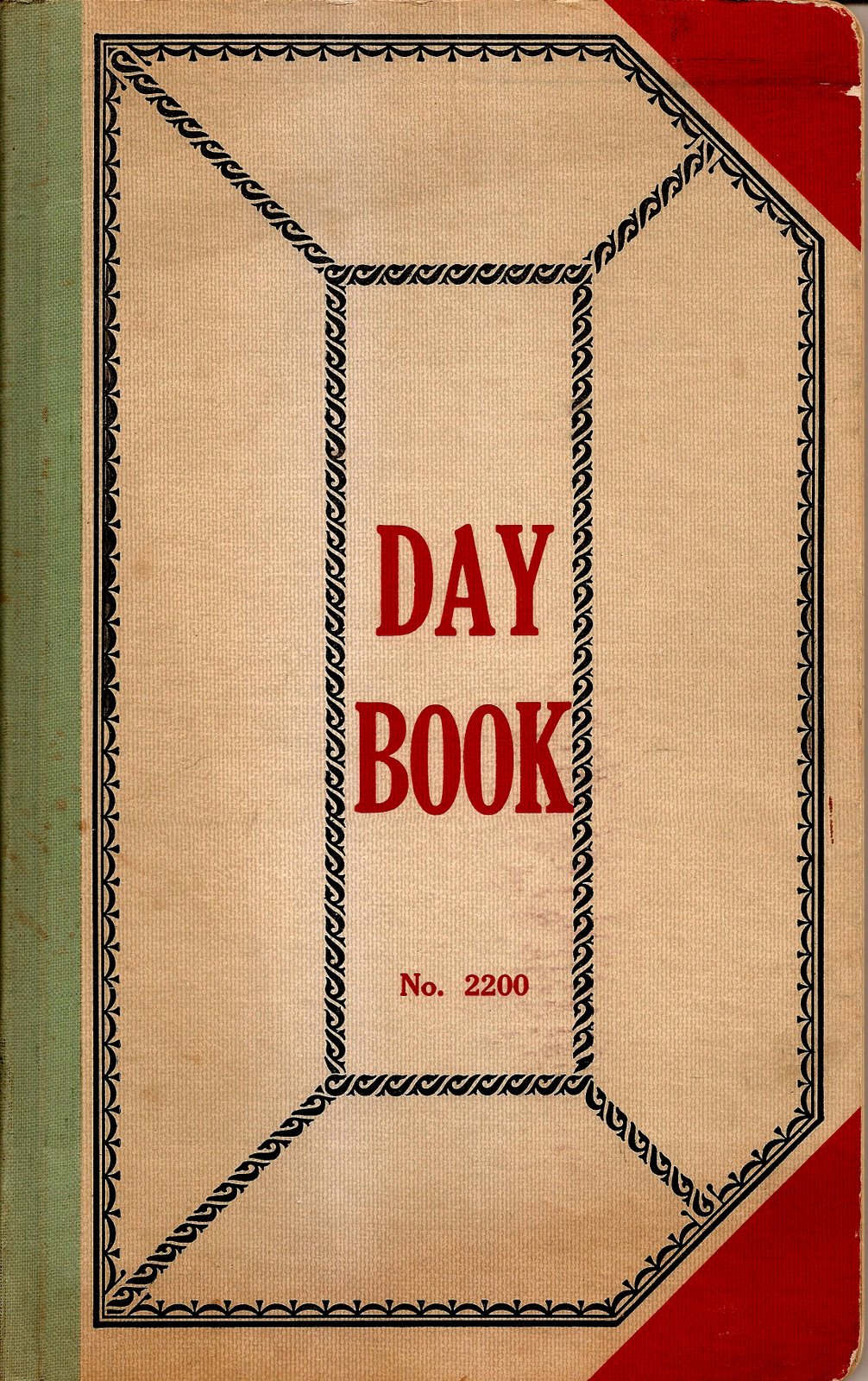 I’ve been more than a little busy. So much so that only today have I given a closer look to some of my junk shop purchases from the recent Fordyce, Arkansas side trip.
I found this day book in the only downtown shop with a closed front door. Down here, that means air conditioning, although once inside we found that the AC had in fact just quit and the nice woman who owns the shop was frantically making calls. Since she only had the one fan by the cash register, a closed door, and 103 degrees of south Arkansas sunshine baking us like a pie in there, we speed-shopped.
I found the day book sitting on some old magazines, flipped through the empty pages, and figured a half-dozen delightful uses for it. Not bad for two dollars. Steph found something that wasn’t overpriced, so we quickly paid for everything and ran for the functioning AC of the car.
To be truthful, I was so excited about the two typewriters I’d bought earlier in the week that I didn’t check the rest of my bounty until today. The day book is actually not empty. There are a few pages here and there scribbled in and there’s the faintest hint of a name and purpose on the inside cover. What I’d bought were some hastily-written minutes from the local chapter of the Daughters of the American Revolution, circa 1940. Clearly, this secretary-recorder was temporarily filling in for someone else. There’s a hesitancy and lack of detail. It was also (gasp) written in pencil.
 Now, I don’t know much about the DAR in other parts of the country, but down here in Arkansas it has a rich legacy of unofficial (and occasionally, quite official) racism. Only women from the best families belonged to the DAR, women who married well and whose important husbands sometimes jaunted out late at night in white sheets.
I know this because my great-grandmother Minnie Mae was a card-carrying member. She was The Doctor’s Wife in a small town called Stamps back when logging and oil were the rage. It was also in the same time and town where Maya Angelou knew how the caged bird sang. Although my grandfather did spend more than a few late nights out, I suspect he was mainly attending medical emergencies or the pool hall. I don’t know. Luther went to his Great Reward before I was born. I knew Minnie Mae. She was something else.
I doubt Minnie Mae ever met the doodling secretary-recorder from Fordyce, even though it’s only an hour away. She was a controlling woman with a fine house and six sets of china who preferred to do her own hostessing, thank you. They might have met at one of those DAR state get-togethers in Little Rock, though. It’s likely some of these women took out the good jewelry and made the train trip.
What all this means is that I have an open invitation to membership. So does my daughter, and if she only bears sons then we’ll be the end of it. The DAR has had seventy years to change since this day book, but I suspect the ladies aren’t ready for the likes of either one of us. The Daughters of the American Revolution will have to work their genealogies and give out those scholarships and whatnot without our help. Not that they’d let us in, legacy or not. Out of the 46 chapters still active in Arkansas, every member listed has “Mrs.” in front of her name.
 (Eleanor Roosevelt’s letter of resignation to the DAR. Click on the picture for more.)
Again, maybe it’s a Southern Thing. Maybe I’m dead wrong and the DAR’s become all progressive and inclusive and politically correct. Maybe.
Not bad, buying a bit of Southern feminine history for a couple of bucks. Maybe I’ll use the empty pages to write in a few “minutes” of my own.
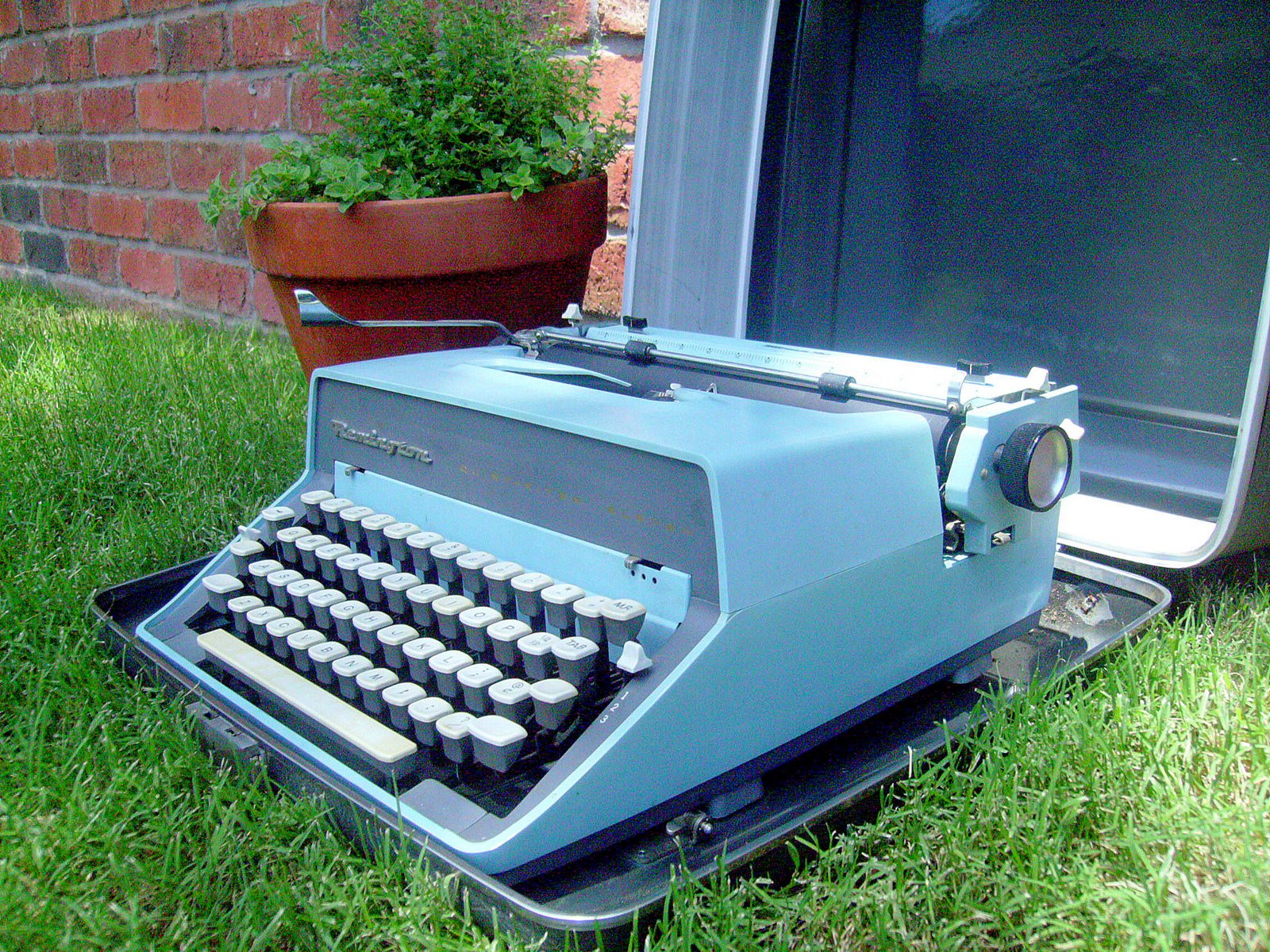 Just back from a week-long jaunt down where the pines grow tall and it’s already 100 degrees in the shade. A couple of us with the Great Bear Writing Project were down in Harmony Grove, AR giving writing workshops for local public school teachers. If you discount the scorching heat, the weather was gorgeous. If you discount the scorching heat, however, you’re not in Southern Arkansas. I swear you could feel the pine trees respirating.
Thankfully, my traveling workshop friend is just as crazy about junk shops and flea markets as I am, because we had to be crazy to scramble around old dusty shops in that heat. Air conditioning? Well, you need to visit a bank or a restaurant or – God forbid – Wal-Mart to amble around in someone else’s frosty air. The old downtown area in Camden had several junker storefronts. Like many little towns around here, though, most of the old downtown was empty. I suspect the frosty air and cheap prices at Wal-Mart for the death of our small town downtowns, but that’s a soapbox for another day. We braved the heat and learned to position ourselves in front of ancient floor fans. I couldn’t have cared less, really, because it was typewriter heaven.
That unused, baby blue Remington Quiet-Riter 11 pictured above set me back $10 and I didn’t haggle a bit. It came with a pristine roller and two unopened boxes of ribbon. It was like the typewriter had been in a time capsule until I walked in and opened the case. It’s a tad big and a bit heavy, but Lord that snappy key action. Yes indeed.

There was a superb shop going out of business and filled to the ceiling joists with more than I could investigate in a lifetime. I had a nice chat with the retired high school principal who runs the place in that way we do here in Arkansas. It’s all about family and connections and it didn’t take long for us to find people in common. He had, I believe, the best and most abundant floor and table fans of any place we visited.
His downtown shop was littered with typewriters, although a good number of them were early-model electrics – not my cup of tea. After digging under a few boxes, however, I found a few portables worth considering, and I considered this stunning aqua Remington Streamliner all the way to the cash register. The case lid’s a little wanky and won’t latch easily on one side, but this gal is in type-ready shape. Not a sticky key anywhere, and the same snap of the Quiet-Riter 11. I stole this one for $2.50.
On the way back home Steph and I made a side trip through Fordyce – a sad little town that used to be something else when lumber and oil were more plentiful. The entire downtown was one shop after the other full of old things. I found a big, hulking tan typewriter there called a Visograph that was in questionable condition. My camera batteries were dead by then, though, and I couldn’t take a picture. I wish I had, because I can’t find anything like it online. The gentlemen who ran that particular store were sweet enough to load themselves up in a pick-up to check their storage places for other typewriters. They even offered me a chair on the front porch while I waited. Right there where the man is standing on the street, on the right. It doesn’t look much different there, except the road is paved now.
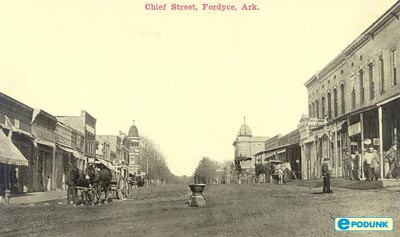
You know, Bear Bryant was from Fordyce, AR. All the plaques said so.
Chivalry is not dead down near the Arkansas-Louisiana border, and typewriter hunting is still a lucrative sport. You can bet I’ll be back, although I might wait until October or so just to make sure the heat wave is over.


What I want to do is type every single day to one of the prompts on my Easy Street site. The thing is, I have 548 writing prompts on there, and I’ve never used a single one. Ever. I think finding and posting them takes all the AHA! out of it for me. At any rate, each day during the month of June I’m going to hit the random prompt button and write whatever comes to mind, and I’m going to do it on old pieces of stationery. With a typewriter. Maybe I can shake off some of the academic dust that’s settled in my head, I don’t know.
At the very least, I can use up some accumulated paper as an excuse to buy more.
Today’s prompt is #13, Double-wide Love.
Through the miracle of modern shopping (see video), my new Gateway laptop arrived yesterday. Oh, I could’ve shopped and cross-priced mercilessly, checking the latest product info in Consumer Reports and such, but I figure these things are only meant to last a few years anyway. That’s all I got out of the last one, right? In three more years I figure laptops will be small enough to wear as earrings and all the technology that arrived yesterday will be obsolete.
When we buy a new computer, we’re not purchasing longevity. It’s healthier to accept this and move on.
After seven hours setting this thing up, I thought it might be interesting to actually share the steps I go through to do something that sounds, on the surface, so achingly simple, but in reality is not. Besides, I cheated a little on the “How To” assignment by offering up an old post.
Step One: Open the Cow Box and pull out the sparkling new laptop, power cord, battery, and strange conglomeration of free programs so you can later make out your last will and testament while playing golf with Tiger Woods. Plug in the computer, install the battery, turn it on. Lovely. (Time, 5 min.)
Step Two: Get online. This is a no-brainer, especially for those of us with wireless systems. Just click on the little icon in the taskbar, find your wireless network, click to connect. Wait. You need the key (password) this time because the new laptop hasn’t been formally introduced to your wireless system. Put in what you think is the network key. Try seven or eight more. Rifle through your desk for that little piece of paper you know you wrote the key on last time. Aha! Wait – that’s the key you lost three years ago.
Go to your daughter’s computer, find Linksys and try to log on there to find the key. You don’t remember that password either, so you click around a bit on the Linksys site to find their phone number. Call Linksys. A helpful guy named Ron will put you on hold several times, make you crawl around underneath your daughter’s computer to get numbers off of things, then walk you through a password change that sounds a lot like writing a master’s thesis for Advanced DOS. This time you write the new key down on something important and carry the piece of paper like the Hope Diamond back to the new laptop. Enter the key and sign on. Voila! (Time, 45 min.)
Step Three: Time to download. Go get a cup of coffee first. Add a little Bailey’s. And then a touch more. You’ve done this before, so remember to keep your expectations low. Breathe deeply, then attend first to the volcanic eruption of insistent popup messages from your taskbar. Java, Norton, Windows, whatever – they all want to whisper in your new laptop’s ear and they want it done now. Click and sip. (Time, 15 min.)
Now install all the programs you really care about – Firefox, Adobe Creative Suite, Microsoft Office, Novell Groupwise (email at work), and such. There are others, nifty little things such as Poladriod and whatever looks interesting from the free programs that came in the Cow Box. Family Tree? You bet. Make a list of online downloads and stack up those cds. Start the first one and refill your coffee. Repeat. Click and sip. (Time, 2 hrs. 35 min.)
Step Four: Now it’s time to add the good stuff. If you’re lucky, shortly before your old laptop started to sing Taps you had the foresight to powersave all your precious documents and pictures to a reliable flash drive. If you’re unlucky, this step is replaced with hours and days of back and forth to friends, old work computers, and tearful, heavenward pleas. Bless your heart. Let’s assume you were lucky. The alternative is unthinkable.
Transfer everything from the flash drive into its proper place. I always begin with my saved Firefox bookmarks, move deliberately through Word documents, and end with pictures. This sounds easy, but in your panic to save all these precious files there was never any cleaning up. Fine. Just be sure to scan that flash drive for any piggybacking virii or maliciousness first. Then get a little brutal when transferring the squeaky-clean files over.
Did you save all those pictures – you know, the top of someone’s head with your crooked finger mysteriously in the lower left corner? Get rid of them now. Any of those document files need updating from Wordstar or worse? Oh dear. Think of those poor people on Dr. Phil who walk sideways through stacks of old newspapers and empty ketchup bottles, the ones hoarding thousands of old butter tubs and groaning closets bursting with Simplicity dress patterns from the 70s. Save yourself and clean out those files. (Time, 3 painful hrs. Maybe more.)
Step Five: Time to hook up the printer. Maybe when you bought your new laptop you also sprang for a fancy new printer/scanner/fax machine. That’s how they get us with the one-two punch, especially when we’re panicky. If this is you, then no big deal. Follow the bouncing ball and install your shiny new printer.
There are those of us, however, who don’t always buy a new dryer just because the washing machine quit. My HP Photosmart works just fine, thank you, and I’m keeping it. The only problem is that the installation cd has dematerialized. Nothing a spanking new laptop shouldn’t be able to handle, though. Plug the printer to your new laptop and wait for them to make friends.
Except they don’t, do they? No, you’re redirected to a frightening website where nothing makes sense. Tech-speak and numbers. Pick up your printer/scanner/whatever and turn it upside down to find the numbers it wants in response. What exactly is a driver? Does it have anything to do with that Tiger Woods game you didn’t install? Doesn’t matter. Just click where you’re supposed to and download it. Eventually, your printer will be installed. How or why just isn’t important at this point. Remember – eye on the prize. (Time, 45 min.)
There you go. It only took a little over seven hours to set up the laptop and install all the goodies. You’re back in business now, so go email someone, write a blog post, cruise Ebay. You may be sick of the new laptop for a bit. Nothing like Steps 1-5 to take a little glamour out of your big-ticket purchase. You’ll feel better tomorrow. I promise
In the meantime pull out one of your old manual typewriters, roll in a sheet of paper, and leave the world behind. (Set up time, 20 seconds, tops.)


This typecast brought to you on a 55 year-old Remington Quiet-Riter that may look exactly like a squatting river toad, but types like it’s dancing – even when the typist is an almost-two-year-old with a fascination for the zip and zing of tab, return, tab, return, tab, smash all the keys down, return.
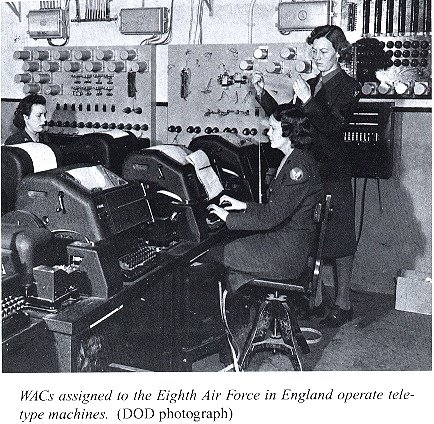 Just when I thought it was safe to get back on Ebay, a little search turned up a couple of good finds. I’m talking about that big-ass roll of Kerouacian paper that someone else snagged not long ago. Well, I’ve found about about 144 more rolls. It’s teletype paper.
Take a look HERE for the canary, Army surplus teletype paper (sans carbon).
Peek over HERE for the carbon, multicopy paper rolls with carbon.
This is a good news / bad news situation, though. It seems they’re only sold in boxes of 12 right now and the shipping is crazy-high. Not to worry, I’ve left a note for the seller asking about selling singles. Anyone else interested?
Hey, I’m just here to help.
UPDATE: The seller is willing to part with these individually, so if you’re interested, click on the link and contact him. His name is Mike and he sounds delightful.
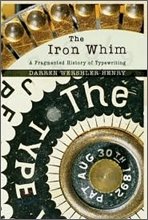 Note: I finished this one a few weeks ago and was promptly buried underneath piles of freshman essays. Tomorrow I’ll be buried under final exams, so there’s this window and I’m jumping through it.
I’m going to give it to you straight – The Iron Whim: A Fragmented History of Typewriting has its moments, but is overall Strikethru was right – it’s a bit academic for casual reading. Given that it’s published by Cornell University Press and that the acknowledgments page thanks his graduate committee for their help, it’s likely The Iron Whim is a post-thesis incarnation. It’s meant for a different audience and for a much different purpose.
Regardless, I found some bright spots. The chapters on “amanuesis,” for example (typewriting and dictation) and the women who, like ghost-machines themselves, entered the work force for paltry wages and changed the definition of “women’s work” long before World War II did that in a more permanent way. Good stuff. Men created and women translated. While much is written about business writing and the office-proper, I was much more interested in the discussion of Dracula and how Mina crosses that create/translate line in the novel first by using the typewriter to make her own voice, then by becoming demonic. Nothing like a good techno-feminist reading to make me feel my literary oats again.
On the whole I found the book just as fragmented as the subtitle suggests. All the better to skim and pick, actually. There’s a section on machine history that didn’t interest me, and the end of the book fell into a hole or two discussing contemporary readings in children’s and sci-fi typewriter-themed books. Not my cup of tea, really. There’s a chapter early on that discusses Ebay and the cult of nostalgia that should certainly make most of us wince, but in a good way.
We are who we are.
In the end, I didn’t fly through The Iron Whim anticipating the next chapter, but it was perfect for recuperative, post-knee-surgery reading. I’ve honestly spent more time with the bibliography than with the book itself, but I’m funny like that.
Wershler-Henry has an online place, by the way, and he Twitters. Let’s just say he’s been formally introduced to typecasting now. And that’s a good thing, because at the end of The Iron Whim he’s made a sort of promise I’d like to see him keep:
“…there are other books to be written about typewriting. At least one of them will be about typewritten concrete and visual poetry, because I’ll be writing that next…”
So, hows that new one coming along, Darren? No pressure.
 (click to enlarge)
Yes, it’s a portion of the original On the Road scroll typed frantically by Jack Kerouac back in 1951. With a little pharmaceutical aid, he was able to slam the novel out in three weeks. The scroll, by the way, is on tour and probably lounging around Dublin right about now.
I won’t go on and on about Kerouac or On The Road. Most women I know (of a certain age) find the book fairly appalling and Kerouac even more so, but Kerouac is not the point here. The scroll is. It’s morphed into an art installation and by the miracle of technological wizardry, a very large typecast.
The thing is, I know a lot of people who can slam out a novel in a month. Maybe they aren’t all Kerouacs, but they do it and there’s a die-hard group of Luddites blowing the top off the NaNoWriMo word counts via manual typewriter every year. You know who you are.
While taking a little paper-grading break today, I hopped on Ebay and found the perfect ditty for a NaNoWriMo Typewriter Brigader. Or for a Kerouac wannabe, makes no difference. It’s a big roll of three-part carbon paper – that’s one original copy to keep and two canary copies to send ’round to the art installations in Dublin.
Eighteen days left on that auction, and a chance to make a legend. Who’s up for it?
 A pathetic typecast.
(Brought to you on a 1958 Tower President named Agnes. Bless her heart.)
 No Telling
